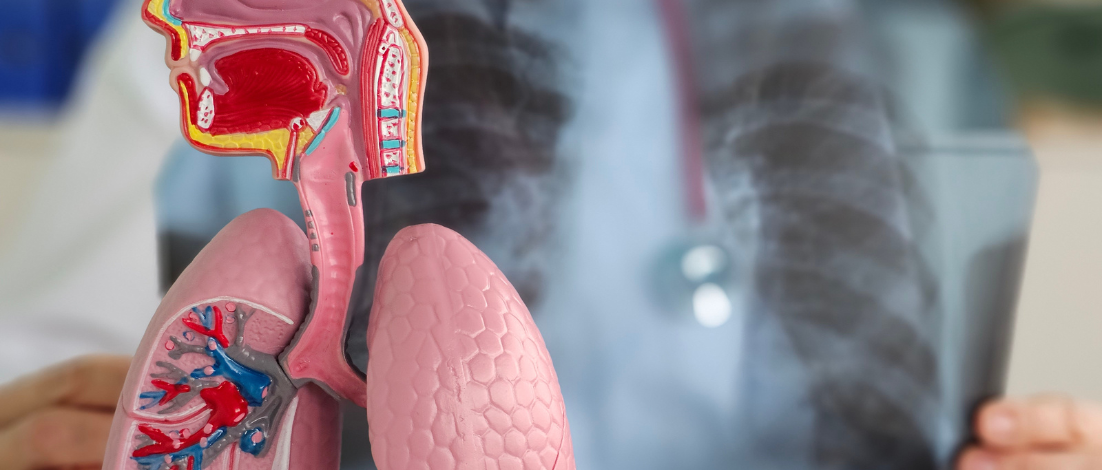
For many Veterans, a “stuffy nose” isn’t just a seasonal annoyance, it’s a permanent part of life. Whether it’s constant drainage, a lost sense of smell, or difficulty breathing through the nose, these symptoms are often diagnosed as chronic rhinitis.
Data from the VA’s 2026 PACT Act Performance Dashboard indicates that respiratory conditions, including rhinitis, remain among the most frequently evaluated health issues for post-9/11 and Gulf War Veterans.
Under the PACT Act of 2022, chronic rhinitis is a presumptive condition. This means if you served in certain overseas locations, the VA assumes your environment caused the condition. However, presumptive status only helps with the “service connection” part of your journey.
To receive a compensable rating, your medical records must show specific evidence of how much your nasal passages are blocked or whether you have developed growths called polyps.
What is Chronic Rhinitis?
Chronic rhinitis is the long-term inflammation of the inner lining of the nose. While regular allergies come and go, the VA looks for symptoms that persist for 12 weeks or longer. This inflammation can be “allergic” (caused by dust or pollen) or “vasomotor” (caused by irritants like smoke or chemical fumes).
For Veterans exposed to burn pits or high-particulate sandstorms, this inflammation often becomes permanent. It can lead to a “domino effect” of other health issues, such as chronic sinus infections or disrupted sleep.
Documenting the constant nature of these symptoms is the first step in a successful benefits journey.

Who is Covered Under the PACT Act?
If you have been diagnosed with chronic rhinitis and served in the following areas, the VA may presume your condition is service-connected:
- The Southwest Asia theater of operations on or after August 2, 1990.
- Afghanistan, Uzbekistan, and other locations on or after September 11, 2001.
According to VA reports from early 2026, over 1.7 million PACT Act claims have been approved since the law’s inception. This presumptive path removes the need for a “nexus letter” for the primary diagnosis, but the rating itself still depends on the objective medical evidence in your file.
VA Rating Criteria for Chronic Rhinitis (DC 6522)
The VA evaluates rhinitis under 38 CFR § 4.97, Diagnostic Code 6522. Unlike some conditions that use complex formulas, rhinitis is rated based on very specific physical findings.
| Rating | Criteria for Evaluation |
| 30% | Presence of nasal polyps (soft growths in the nasal lining). |
| 10% | Without polyps, but with greater than 50% obstruction of both nasal passages, or 100% obstruction of one side. |
| 0% | Diagnosis is confirmed, but there are no polyps and the obstruction is less than 50% on both sides. |
The Value of a 0% Rating: A 0% rating is still a victory. It means the VA officially recognizes your rhinitis is service-connected. This is crucial if you later want to claim a condition like Sleep Apnea as secondary to your rhinitis.

The Importance of Objective Evidence
In a medical evidence consultation, the focus is on gathering proof that doesn’t rely solely on how you feel. The VA needs to see “objective” findings from a healthcare provider.
Nasal Endoscopy and Polyps
A 30% rating (the highest available for rhinitis) typically requires the presence of nasal polyps. These are often missed during a standard physical exam. An Ear, Nose, and Throat (ENT) specialist can perform a nasal endoscopy, using a small camera to look deep into your nasal passages.
CT Scans and Obstruction
If you do not have polyps, your rating depends on the “degree of obstruction.” A CT scan can provide clear, cross-sectional images of your nasal cavity, showing exactly how much of the airway is blocked by inflamed tissue or structural issues.
This provides a hard percentage that a VA examiner can use to potentially support a 10% rating.
Building a Strong Treatment History
The VA looks for “chronicity,” that is proof that the condition is ongoing and requires regular care. A single visit to an emergency room isn’t as strong as a year’s worth of records from a primary care doctor or specialist.
What to include in your medical record:
- Medication History: Consistent refills of nasal sprays (like Flonase), antihistamines, or saline rinses.
- Specialist Referrals: Notes from an ENT or Allergist who has tracked your symptoms over time.
- Symptom Logs: A record of how often you are “mouth breathing” because your nose is too blocked to use, or how often the congestion prevents you from sleeping.

Secondary Conditions: Beyond the Nose
Chronic rhinitis is often the starting point for other service-connected evaluations. Because it affects the upper airway, it can potentially cause or worsen other health problems.
- Sleep Apnea: As discussed in our other guides, nasal obstruction can contribute to Obstructive Sleep Apnea. If you have a 0% or 10% rating for rhinitis, you may be able to use that as a “primary” condition to potentially support a secondary sleep apnea evaluation.
- Chronic Sinusitis: Inflammation in the nose often spreads to the sinuses. The VAk allows you to be rated for both rhinitis and sinusitis at the same time, as they are separate diagnostic codes.
- Ear Infections: Persistent nasal swelling can block the tubes that drain your ears, leading to hearing issues or chronic ear pressure.
What to Expect in Your Benefits Pursuit
A medical evidence consultation puts you in control of your benefits journey. Our role is to help you gather, organize, and understand the medical facts that matter, so your health story is clear, credible, and ready for review whenever you choose to move forward.
You decide the pace, choose which records to use, and how to present your evidence. With our guidance, you can confidently move forward, knowing your case is well-supported.
Your journey. Your story. Your future. They all belong to you.
Disclaimer: This content is for informational purposes only and does not constitute medical or legal advice. Always consult with a qualified professional for specific medical or legal concerns. Trajector Medical is a private consulting firm and is not affiliated with the Department of Veterans Affairs.