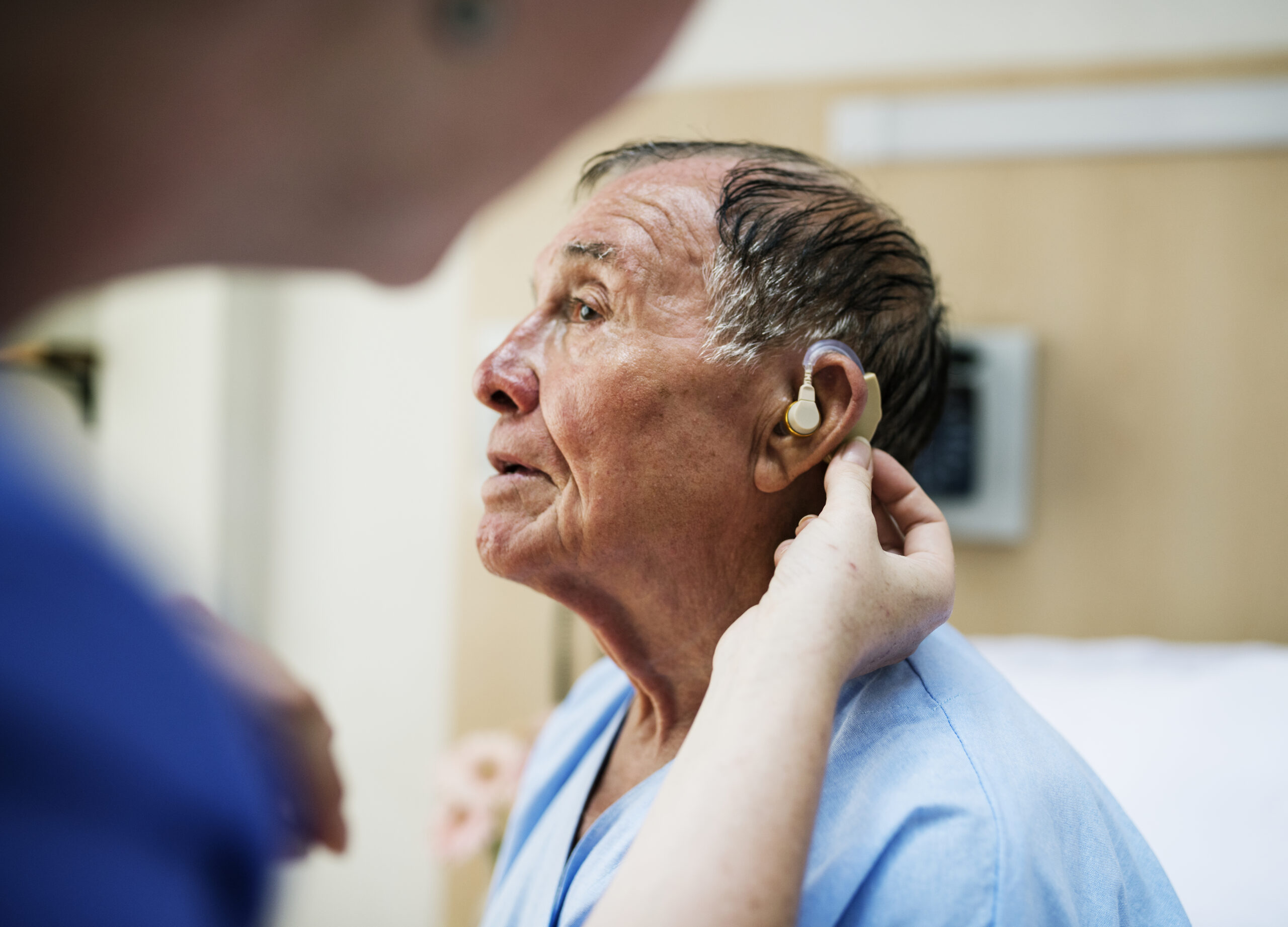
The proposed VA rating changes that continue to be discussed in 2026 are real, but they’re not new. VA has proposed changes to how sleep apnea, tinnitus, and mental health conditions are evaluated.
But “proposed” is the key word. As of this writing (August 2026) none of these three changes are final, and the current rating criteria are still what VA uses today.
This article breaks down what’s being proposed, where things stand, and why your medical documentation may matter more than ever, no matter how these rules turn out.
A quick note before we start: Rulemaking can change quickly, and it has changed more than once already on this topic. Always confirm the latest status directly with VA.gov, the Federal Register, or a VA-accredited representative before making decisions based on any article, including this one.
A Quick Timeline: How We Got Here
Many veterans assume these changes appeared out of nowhere in 2026. They didn’t. Here’s the short version:
- February 2022: VA first announces proposed revisions to the rating criteria for respiratory conditions (including sleep apnea), auditory conditions (including tinnitus), and mental health conditions. A public comment period opens.
- 2023–2025: The proposals remain under review. No final rule is published for these three areas.
- February 2026: A related but separate rule about how medication and treatment affect ratings briefly takes effect, then is pulled back within about ten days (more on this below).
- As of July 2026: The proposed revisions for sleep apnea, tinnitus, and mental health conditions have not been finalized. VA has not announced an effective date.
The bottom line: this has been a multi-year process, not a sudden shift. That matters, because it means delays, revisions, or an eventual withdrawal are all still possible.
What’s Actually Changing (and What Isn’t)
Each proposal is unique, but they all show a trend of focusing on how conditions affect daily life. This approach moves away from just relying on diagnoses, treatments, or lists of symptoms.
Here’s what that could look like for each condition:
Sleep Apnea: What the Proposal Could Mean
Under the current rating schedule, veterans whose sleep apnea requires the use of a CPAP or similar breathing assistance device generally qualify for a 50 percent evaluation, largely regardless of how well the treatment works.
Will CPAP still qualify for a 50 percent evaluation?
Under the new proposal, it will not. Evaluations will focus on the remaining impairment after treatment. A veteran well-managed on CPAP may receive a lower evaluation, while one with ongoing significant symptoms, like daytime fatigue or memory issues, might qualify for a higher evaluation based on their functional limitations.
Tinnitus: What the Proposal Could Mean
Tinnitus currently has its own rating category (Diagnostic Code 6260), separate from other conditions, and it is one of the most commonly service-connected disabilities among veterans.
Is tinnitus going away as its own rating? Rather than giving tinnitus its own separate evaluation, the proposal would generally treat tinnitus as a symptom connected to an underlying condition, such as hearing loss or a traumatic brain injury. This has generated a lot of discussion precisely because so many veterans currently have a standalone tinnitus rating, and the change could affect how future evaluations are calculated for veterans who haven’t yet gone through the benefits process for this condition.
Mental Health Conditions: What the Proposal Could Mean
For mental health conditions like PTSD, depression, and anxiety, the current system relies heavily on matching symptoms to a list.
Will PTSD ratings decrease?
The proposal points toward improvements for many veterans, not reductions. It would raise the minimum evaluation from 0 percent to 10 percent for any service-connected mental health condition, and it would remove an older provision that currently limits a veteran from receiving a 100 percent evaluation if they are still able to work.
However, because the proposal has not been finalized, its overall impact remains uncertain
In place of the symptom checklist, the proposed system would look at how a condition affects five areas of daily functioning:
- Cognition: memory, concentration, and problem-solving
- Interpersonal relationships: connecting with family, friends, and coworkers
- Task completion: following through on responsibilities at work or home
- Daily life activities: routines like errands, hygiene, and household tasks
- Self-care: managing basic needs safely and consistently
Instead of asking whether a veteran meets a list of symptoms, the proposal would ask how the condition affects functioning across these five domains.
Current System vs. Proposed Direction, at a Glance
| Current Rating System | Proposed Direction |
| CPAP requirement often drives the sleep apnea evaluation | Greater emphasis on remaining functional impairment |
| Tinnitus has its own diagnostic code (6260) | More closely tied to the underlying condition |
| Mental health relies heavily on a symptom checklist | Greater focus on functioning across five domains |
| Minimum mental health evaluation can be 0 percent | Proposed minimum evaluation of 10 percent |
Who Could Be Affected by These Proposals
Will my current VA rating change automatically?
Generally, no. Based on public VA statements, these proposals are not expected to reduce ratings for veterans who are already rated for sleep apnea, tinnitus, or a mental health condition, unless a separate legal basis for reduction applies.
These proposals would mainly matter to veterans who are:
- Starting the benefits process for one of these conditions for the first time
- Pursuing an increased evaluation for an existing condition
- Pursuing a secondary service connection tied to one of these conditions
- Gathering or organizing medical evidence in preparation for a future evaluation

Why “Functional Impairment” Is the Concept to Understand
If there’s one idea worth taking away from all of this, it’s that VA appears to be shifting its focus toward functional impairment, meaning how a condition actually shows up in your daily life, rather than just whether a diagnosis or a prescription exists on paper.
In practical terms, this means the details in your medical records may carry more weight going forward. Instead of a record that simply says “diagnosed with sleep apnea” or “diagnosed with PTSD,” records that describe specific, real-life effects may paint a fuller picture.
For example, a provider might document things like:
- Falling asleep during meetings or while driving
- Forgetting conversations or appointments
- Struggling to complete work assignments on time
- Difficulty maintaining relationships with family or friends
None of this means you need a diagnosis you don’t already have, and this article isn’t intended to diagnose anything. It simply means that a fuller, more specific record of how a condition affects daily life may be more useful under a functional-impairment-based system.
What This Means for Your Medical Documentation
Wherever these proposals land, the value of clear, detailed medical documentation isn’t likely to change. If anything, a system that weighs functional impairment more heavily makes that documentation more important, not less.
Records from multiple appointments, sleep logs, mental health visits, specialist evaluations, and reports from treating clinicians may help you tell your whole story.
How to Stay Current
Because these proposals are still moving, the most reliable way to stay informed is to check official sources directly:
- VA.gov for official announcements and current rating criteria
- The Federal Register for the full text of proposed and final rules
- A VA-accredited representative for guidance specific to your situation
Secondhand summaries, including this article, can become outdated quickly. When in doubt, go to the source.
Disclaimer: This website offers general educational information and medical evidence consulting services only. We are not a government agency and cannot confirm the final status of any proposed rule. You and your healthcare providers decide how your medical records are used.