
Snoring, Fatigue, and Sleep Apnea: How to Build a Strong Medical Timeline
Snoring and daytime tiredness are often laughed off as “just getting older.” However, for many Veterans, these are the first warning signs of Obstructive Sleep Apnea (OSA). This is a serious condition where your airway physically collapses while you sleep, stopping your breathing for seconds at a time.
Nearly 27% of Post-9/11 Veterans have been diagnosed with a sleep-related breathing disorder (PMC, 2025). Despite how common it is, sleep apnea is not a “presumptive” condition under the PACT Act. This means the VA does not automatically assume your service caused it.
To support a benefits pursuit, you must show a clear sleep apnea VA medical evidence timeline that connects your diagnosis to your time in uniform or to another service-connected health problem.
Why the Timeline is Your Best Tool
Because sleep apnea is not presumptive, the burden of proof rests on your medical records. The VA looks for “continuity of symptomatology,” this is a way of saying they want to see how the problem grew over time. If you didn’t have a sleep study while on active duty, your timeline acts as a bridge to your current diagnosis.
Building Your Timeline: The Four Phases
A thorough medical evidence file tells a story. You can potentially support your evaluation by organizing your records into these four stages:
Phase 1: Early Signs (Service or Post-Service)
Think back to your time in the barracks. Did roommates complain about your snoring? Did you wake up feeling like you hadn’t slept at all?
- Evidence to look for: “Buddy statements” from fellow service members, early medical notes about “unexplained fatigue,” or mentions of a dry mouth in your exit physical.
Phase 2: Symptom Progression
Sleep apnea is often progressive. Over the years, “loud snoring” may turn into “gasping for air.”
- Evidence to look for: Doctor’s notes about high blood pressure (often linked to apnea), excessive daytime sleepiness, or a partner’s report of “apneic events” (stopped breathing).
Phase 3: Secondary Connections (The “Domino Effect”)
Many Veterans develop sleep apnea because of another service-connected issue. This is known as secondary service connection.
- Evidence to look for: Documentation showing how a primary condition, like Rhinitis, obstructs the airway. A blocked nose forces mouth breathing, which moves the jaw back and makes an airway collapse more likely.
Phase 4: Diagnosis and Treatment
This is the clinical proof. You must have an official diagnosis to receive a VA rating.
- Evidence to look for: A Polysomnography (Sleep Study) report. This measures your AHI (Apnea-Hypopnea Index), which is the number of times you stop breathing per hour.
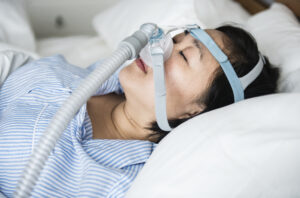
The Role of CPAP Machines in 2026
As of April 2026, the VA rating schedule still places high value on the use of a breathing assistance device.
- 50% Rating: Generally applies if a CPAP (Continuous Positive Airway Pressure) machine is required.
- 30% Rating: Applies for persistent daytime sleepiness without the need for a machine.
Note: The VA has proposed changes to these ratings in 2026. These updates may focus more on how well the treatment works rather than just the “requirement” of the machine. Keeping a consistent log of your CPAP usage is now more important than ever to show the severity of your condition.
Key Medical Evidence Sources
| Evidence Type | What It Potentially Proves |
| Sleep Study (PSG) | The official diagnosis and the AHI score (severity). |
| CPAP Data Logs | Consistent need for treatment and severity of symptoms. |
| Nexus Letter | The medical link between service (or another condition) and apnea. |
| Lay Evidence | Observations from family/friends regarding snoring and gasping. |
Common Roadblocks in Evaluations
Many Veterans face challenges during their benefits journey because of gaps in the record. Medical evidence consulting helps address these:
- The “Weight” Argument: The VA may claim sleep apnea is caused solely by weight. Medical evidence can potentially show that a service-connected back injury or PTSD led to weight gain, or that respiratory conditions like rhinitis are the primary drivers of the airway collapse.
- No In-Service Diagnosis: If you weren’t tested while in the military, “buddy statements” are crucial to establish that the symptoms began during your service.
- Normal Lung Tests: Remember, sleep apnea is an upper airway issue. Having clear lungs does not mean your throat and nasal passages are functioning correctly.
About Medical Evidence Consulting
Medical evidence consulting focuses on reviewing and organizing health records to ensure they are complete and clearly reflect your clinical history. We do not file paperwork, provide legal representation, or provide “C&P prep.”
Disclaimer: This content is for informational purposes only and does not constitute medical or legal advice. Trajector Medical is a private consulting firm and is not affiliated with the Department of Veterans Affairs.