VA Disability Ratings for Degenerative Disc Disease (2026)

If your neck or lower back constantly aches and feels stiff after military service, a doctor may note that you have Degenerative Disc Disease (DDD). Despite the name, DDD is not an infectious illness or a disease you catch from someone else. It is a physical wear-and-tear condition. It means the soft, rubbery cushions in […]
VA Disability Rating for Intervertebral Disc Syndrome (IVDS) (2026)

VA Disability Rating for Intervertebral Disc Syndrome (IVDS): Why the Type of Back Pain Matters Ask any group of veterans, and most of them might tell you their back hurts. Years of rucking heavy gear, jumping out of vehicles, and enduring repetitive physical stress take a massive toll on the body. Back and neck conditions […]
VA Rating for Cervical Radiculopathy (2026)

VA Rating for Cervical Radiculopathy: Evidence and Rating Guide Many veterans find out that the worst part of a neck injury isn’t the ache in their spine. Instead, it is the sharp, shooting pain, the electric tingling, or the dead numbness that travels down into their shoulders, biceps, forearms, and fingers. If you feel these […]
Understanding VA Rating for Lumbar Radiculopathy

VA Rating for Lumbar Radiculopathy: Evidence and Rating Guide Many veterans discover that the most debilitating part of a service-connected back injury isn’t the ache in their spine. Instead, it is the white-hot, shooting pain, electric tingling, or dead numbness traveling down through their hips, thighs, calves, and feet. If you experience these symptoms, you […]
VA Spine Disability Ratings: Complete Veterans Guide

Understanding Spine VA Disability Ratings Military life is incredibly tough on the human skeleton. Marching long distances with heavy packs, driving bumpy tactical vehicles, lifting heavy gear, and working on concrete flight lines wear down the spine over time. These activities change your body’s natural biomechanics, which is how your muscles and joints balance your […]
PACT Act Respiratory Denials & Ratings Guide (2026)
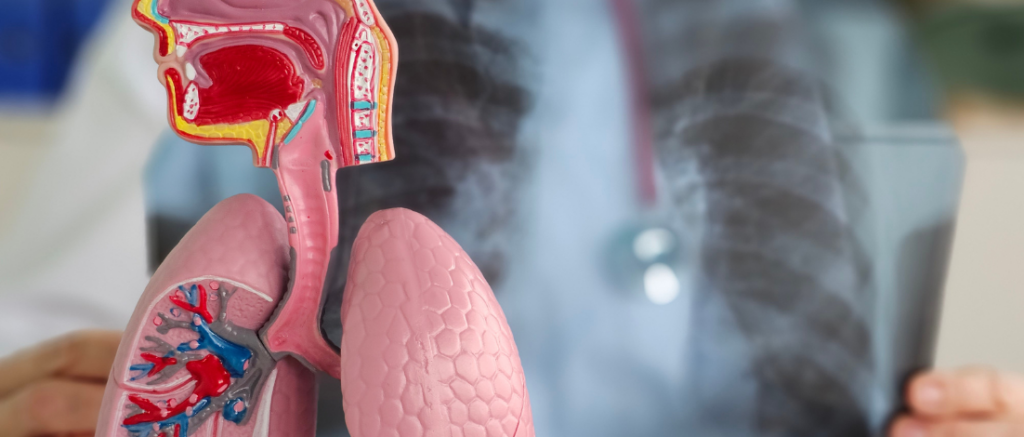
The PACT Act was a historic victory for Veterans, but for many, the results have been bittersweet. A common trend in 2026 is the “approval-but-no-pay” scenario. Veterans are seeing their service connection approved, but they are receiving 0% or 10% ratings. These low numbers often don’t reflect the daily struggle of living with breathing issues. When PACT Act respiratory […]
Chronic Cough After Deployment VA Evidence Guide (2026)

Chronic Cough After Deployment: How to Document Symptoms for a Clear Medical Record (2026) Many Veterans return from deployment with a “hacking” cough. You might have heard it called the “Iraq itch” or “Kabul cough.” While many assume it is just a side effect of dry air or dust, a cough that lasts more than […]
Sleep Apnea VA Medical Evidence Timeline & Guide (2026)

Snoring, Fatigue, and Sleep Apnea: How to Build a Strong Medical Timeline Snoring and daytime tiredness are often laughed off as “just getting older.” However, for many Veterans, these are the first warning signs of Obstructive Sleep Apnea (OSA). This is a serious condition where your airway physically collapses while you sleep, stopping your breathing for […]
Asthma VA Rating & Evidence Guide (2026 PACT Act)

Asthma is a chronic respiratory condition characterized by inflammation and narrowing of the airways. For Veterans, this often manifests as shortness of breath, chest tightness, and wheezing. These symptoms frequently trace back to environmental hazards encountered during military service. Since the passage of the PACT Act, the landscape for securing an asthma VA rating has shifted significantly, […]
Chronic Sinusitis VA Rating: PACT Act Evidence Guide (2026)

Military service often leaves Veterans with more than just memories; for many, it leaves a lasting physical toll on their respiratory systems. Among the most frequent issues reported by those who served in Southwest Asia are sinus-related conditions. In fact, according to the 2024 VA Annual Benefits Report, maxillary sinusitis alone accounts for approximately 10% of all […]